 Request service
 Specials
 24/7 EMERGENCY SERVICE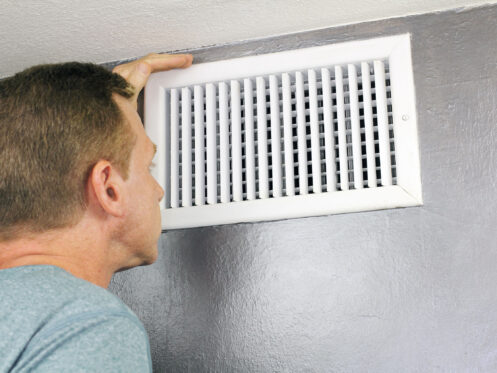
In Prescott Valley, AZ, monsoon season is a welcome break from the dry summer heat. The rain can cool things down, the skies become more dramatic, and the landscape gets a much-needed drink. But while monsoon storms bring some relief, they can also create challenges for your HVAC system.
High winds, dust storms, lightning, and sudden downpours all have the potential to affect outdoor equipment. Some issues are obvious, while others can quietly impact your system long after the storm passes.
Dust Storms Can Make Your AC Work Harder
Before the rain arrives, monsoon storms often bring strong winds and blowing dust. That dust doesn’t just settle on cars and patio furniture. It can also collect on your outdoor unit.
Your air conditioning system relies on airflow to release heat outdoors. When dirt and debris build up on the condenser coil, that heat becomes harder to release. The result is often longer run times and higher energy use.
If your AC seems to be running more than usual after a series of dust storms, a dirty outdoor coil could be part of the reason.
Debris Can Restrict Airflow
Monsoon winds can carry more than dust. Leaves, small branches, weeds, and other debris often end up around outdoor equipment.
Air conditioners need open space around them to move air properly. When debris piles up against the unit, airflow can become restricted, making it harder for the system to get rid of heat.
Even if the equipment is still running, blocked airflow can reduce cooling capacity during the hottest weeks of summer.
Lightning and Power Surges Can Damage Components
One of the biggest HVAC threats during monsoon season isn’t rain. It’s electricity.
Lightning strikes and power fluctuations can damage sensitive HVAC components, including circuit boards, capacitors, thermostats, and communication modules.
Sometimes the damage is immediate. Other times, a component weakens and fails weeks later, making it difficult to connect the problem back to the original storm.
Heavy Rain Usually Isn’t the Problem
Many homeowners worry about rain falling directly on their outdoor unit. Fortunately, air conditioners are designed to handle normal weather exposure.
The bigger concern is what happens around the equipment. If water pools around the unit because of poor drainage, it can create issues over time. After a heavy storm, it’s worth checking the area to make sure water is draining away properly.
Pay Attention After a Major Storm
If your system sounds different, struggles to cool the house, or starts cycling more frequently after a storm, don’t assume it’s your imagination.
Watch for signs of you need AC repair such as:
- Reduced airflow from vents
- Longer cooling cycles
- Unusual noises
- Higher utility bills
- A thermostat that struggles to maintain temperature
These changes may indicate that the storm left behind more than just puddles and mud.
Get Your HVAC System Ready for Monsoon Season
Monsoon weather is part of life in Prescott Valley, but it doesn’t have to take a toll on your cooling system. A clean outdoor unit, proper maintenance, and prompt attention after severe storms can help reduce the chances of mid-summer breakdowns. We can help identify storm-related issues before they leave you without AC during the hottest part of the summer.
If your AC has been through a rough monsoon season or just doesn’t seem to be cooling like it used to, contact us at Moyer’s Heating & Cooling Inc..